Contents

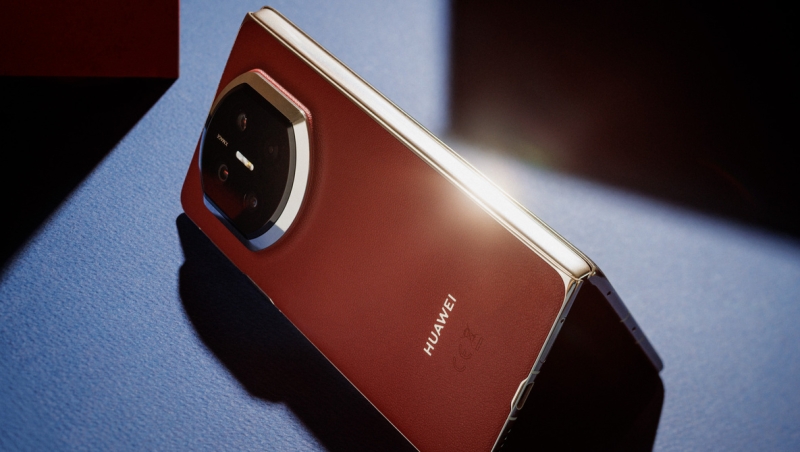
Smartphone technology has come a long way and has reached a point of technological maturity where it has now completely integrated into our lifestyle, becoming one of our necessary companions for everyday tasks. Foldable phones, on the other hand, have been actively evolving over the past few years and have started to catch up with traditional bar-designed phones. With the launch of Huawei Mate X7, Huawei continues refining its foldable philosophy by placing greater emphasis on durability, camera performance, and shooting flexibility—areas that matter most to photographers and visual storytellers.
Being able to do everything—from client meetings and editing on the go to replying to emails and photoshoot planning—comfortably on a large screen that fits in my pocket sounded like a big win. This idea of having one device for all tools excites me, even as someone who has not touched an Android phone for 15 years. I could go on about what this phone could do, as it is honestly quite feature-rich, but naturally, as a full-time practicing professional photographer, the camera portion of the Huawei Mate X7 became what I most look forward to accessing and will be covered thoroughly in this review.
Build Quality
Unboxing the Huawei Mate X7 for the first time will show you a few precautionary messages with a wrapper that wraps around the phone. You will also get the same precautionary message when you start up your phone. These messages include care instructions for using the phone, as the inner foldable screen is soft. It states that you should not remove the inner screen protective film, and that you should not press on the interior screen with a pointed object or press hard on the inner camera or where it folds.
Getting past the precautionary messages is where things start to get impressive. I was immediately blown away by how thin the phone is, especially when it is unfolded, measuring 156.8 × 144.2 × 4.5 mm, giving you up to 8.0 inches of screen real estate. The folded phone measures 156.8 × 73.8 × 9.5 mm, giving you 6.49 inches of usable exterior screen.
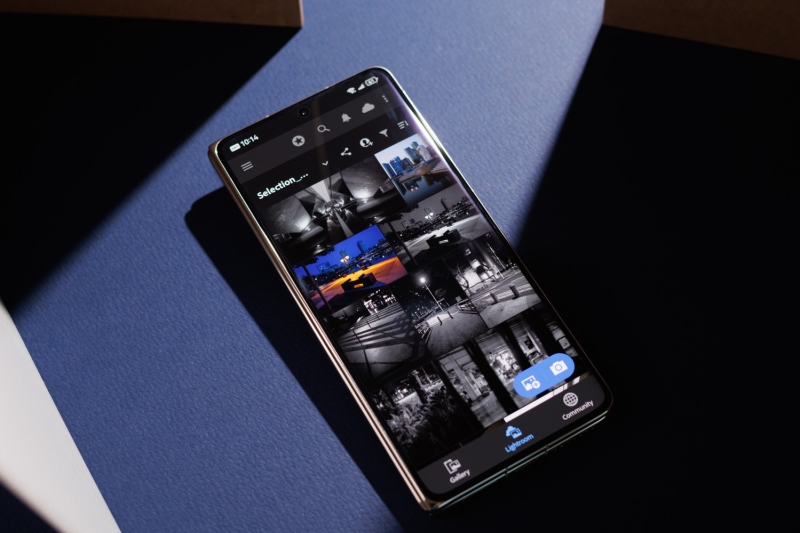
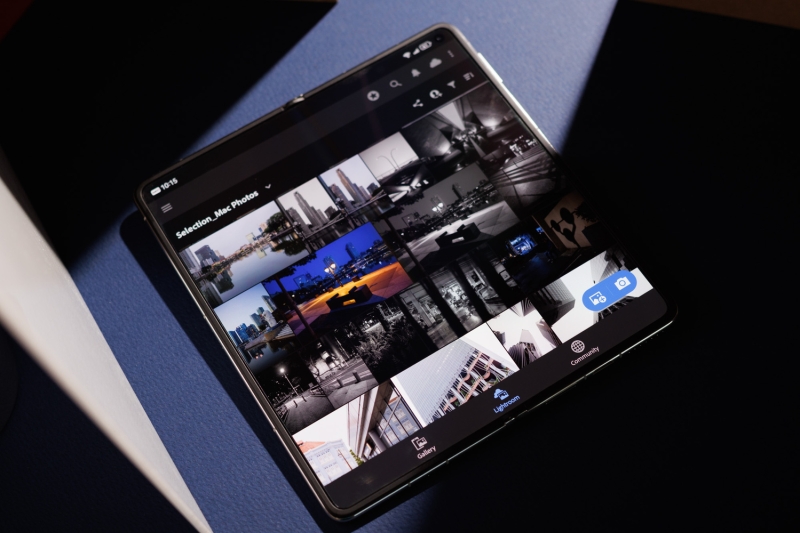
While the inner screen may be the phone’s biggest weakness, the exterior construction is pretty solid, as the exterior screen is made with second-generation Crystal Kunlun Armor Glass that promises a 20% increase in drop resistance. The outer frame is also made with aerospace-grade aluminum and a silicone polymer (eco leather) back. It also features IP58 and IP59 splash, water, and dust resistance under IEC standard 60529, which is rare in the foldable category, giving users more confidence when shooting under rain, humid, and challenging environments. What’s even more impressive is that all this solid construction packs nicely into a weight of only 236 g—somewhat similar to a larger traditional non-foldable phone.
The solid construction continues to the most important part of a foldable phone: its hinge. Huawei has also upgraded its hinge to an advanced precision hinge that is made with 2,350 MPa ultra-high-strength steel that provides 100% more tensile strength compared to a titanium alloy. It is also precisely designed to put no pressure between the screen and the hinge to ensure longevity. In practical use, this new hinge is extremely stable and sturdy, which allows the device to hold its position at multiple angles rather than snapping fully open or shut, allowing for greater possibilities for low-angle shots without additional accessories when resting the phone on a flat surface, partially unfolded.
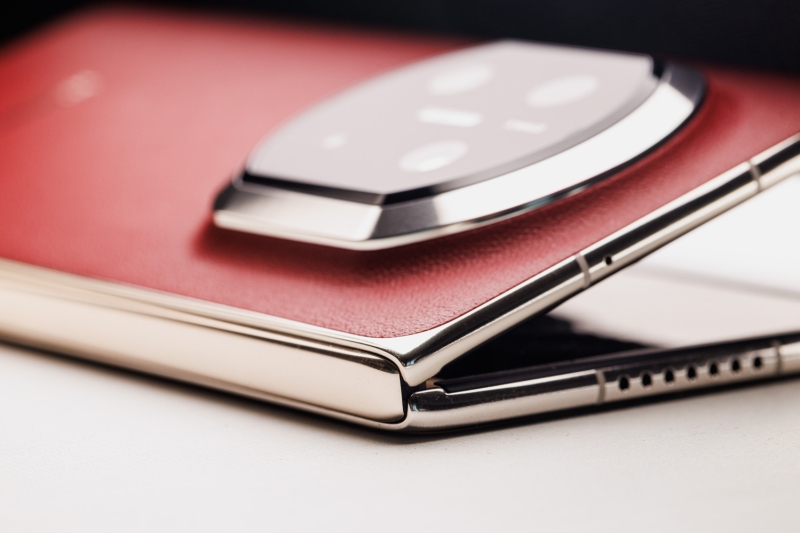
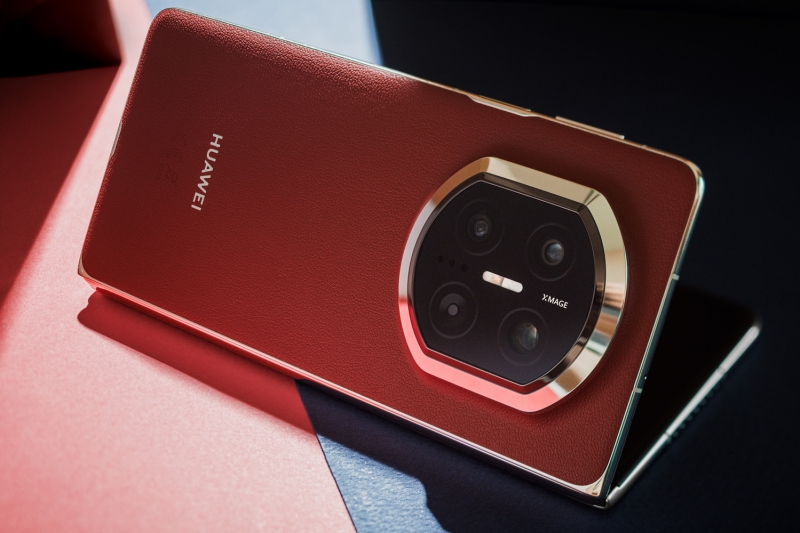
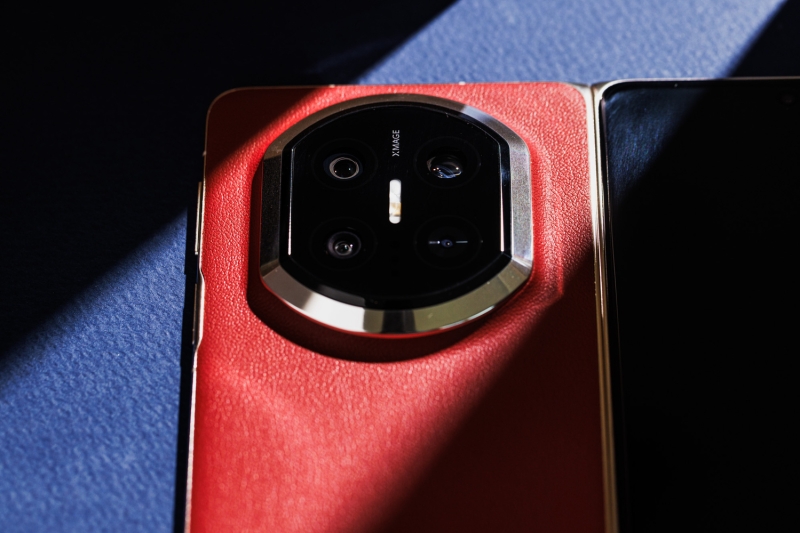
At the back of the phone is where you find the good stuff. Huawei has also made some modifications to its camera module and renamed it the Time-Space Gate. It is a fusion of a multi-dimensional curved surface, three-dimensional crystal cutting, and a blend of innovative materials which, when combined with the iconic Huawei Nebula Red color, gives the phone a clean, sleek, and bold look. Practically, the broader, more symmetrical camera housing does reduce the off-center wobble commonly found in large camera bumps, allowing the Mate X7 to feel more stable when placed on a flat surface, though it is still rather imbalanced and wobbles when unfolded.
Key Features
Before diving into the camera system, here’s a brief summary of the key specifications. Feel free to skip this section to the last part if you’re only interested in learning about camera performance.
Display
-
Inner display: 8.0-inch LTPO OLED, 2210 × 2416 resolution, 412 ppi
-
Color: Up to 1 billion colors
-
Refresh rate: Up to 120 Hz adaptive
-
PWM dimming: 1440 Hz
-
Peak brightness: 2,500 nits
-
HDR: HDR Vivid support
Meanwhile, on the outside, the 6.49-inch LTPO OLED features a 1080 × 2444 resolution that also matches the 120 Hz refresh rate and high-frequency PWM dimming. It pushes its peak brightness even further to 3,000 nits, making it highly usable under direct sunlight.
Platform
The Huawei Mate X7 runs on HarmonyOS 6.0 or EMUI 15. The device is powered by the Kirin 9030 Pro, 5 nm chipset. Its 9-core CPU configuration balances peak performance with efficiency, pairing a high-frequency prime core with two clusters tuned for sustained workloads. Graphics duties are handled by the Maleoon 935 GPU, which offers enough headroom for high-refresh displays, real-time image processing, and computational photography tasks. While operating the phone feels smooth most of the time, exporting long-form video does feel a little slow, possibly due to the slightly less efficient processor.
Battery
Powering the device is a 5,600 mAh battery on the international model (5,525 mAh for China), which is quite large for a traditional phone, but for a phone that has an 8.0-inch foldable display, it can feel a little less, especially with heavy camera usage at high screen brightness. That being said, despite the less efficient 6 nm chipset, with a full charge, I have no issue getting a day’s use out of it under normal use, and comfortably getting half a day of use with heavy shooting before quickly topping up the battery with its 66 W wired or 50 W wireless fast charging.
Camera
Cameras have always been an afterthought for foldable phones due to the fundamental issue of fitting large sensors and complex optics into limited space—the phone has to be slim to make sense. But with the Mate X7, Huawei has tackled these issues with a complete redesign of its imaging system, tailored for the unique form factor of a foldable, positioning the imaging department as its core strength, especially for its telephoto lens and main camera.
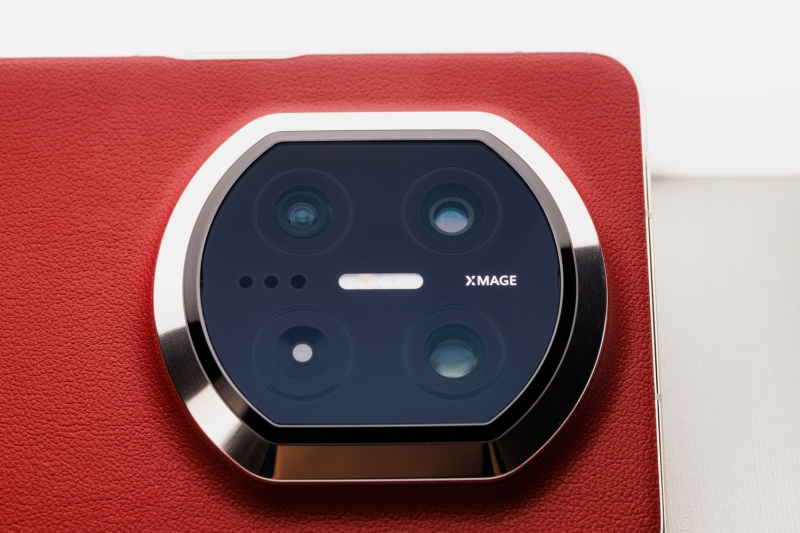
The main 24 mm full frame equivalent camera now features a 17.5-stop high dynamic range 50 MP 1/1.28-inch RYYB sensor with a 10-stop adjustable aperture of f/1.49 to f/4. It also features the industry’s thinnest glass lenses and an industry-first quadruple-sliced lens, which reduces the module size by 23% while increasing light intake by at least 100%. This translates to exceptional light sensitivity and stunning image clarity, regardless of lighting conditions.
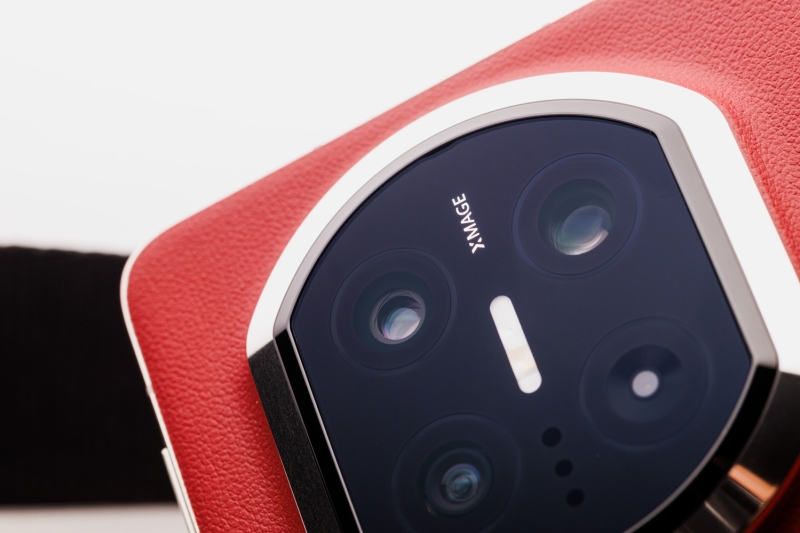
Main camera module on the upper left and telephoto camera module on the upper right.In the telephoto department, Huawei has included a newly redesigned 3.5x (81 mm full frame equivalent) telephoto lens that employs a 4+1 group of diagonally arranged lenses and a telephoto macro management periscope system, capable of shooting macro images using its telephoto lens. Coupled with a new anti-shake focusing motor, they have successfully minimized the module size by 44% while increasing light intake by 127%. It also features the industry’s largest f/2.2 aperture in a telephoto lens on a foldable phone. Underneath all the redesigned lens technology is a 50 MP RYYB sensor that delivers great detail under strong lighting conditions.
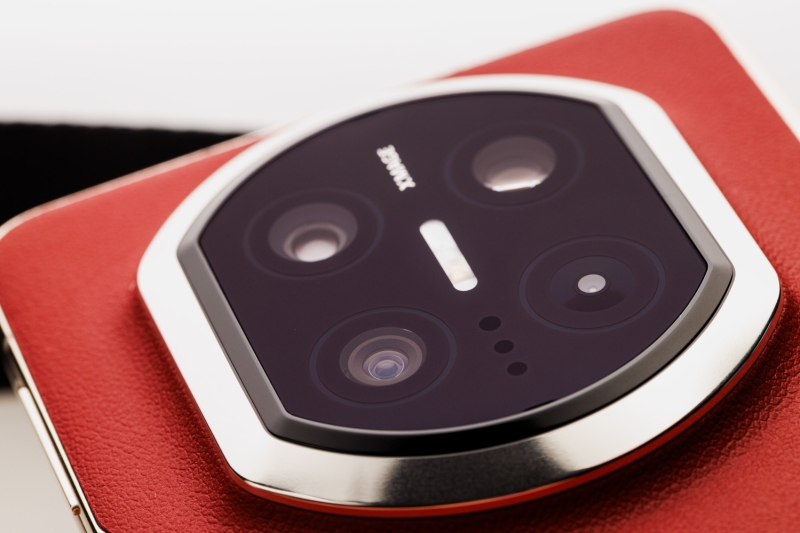
13mm full-frame equivalent camera module.Supporting all three exceptional cameras is a dedicated color spectrum sensor that increases color accuracy by at least 43%. This color sensor is responsible for ensuring all the images captured by the cameras are “true-to-color,” as Huawei calls them, as it faithfully reproduces original color even under tricky lighting hues.
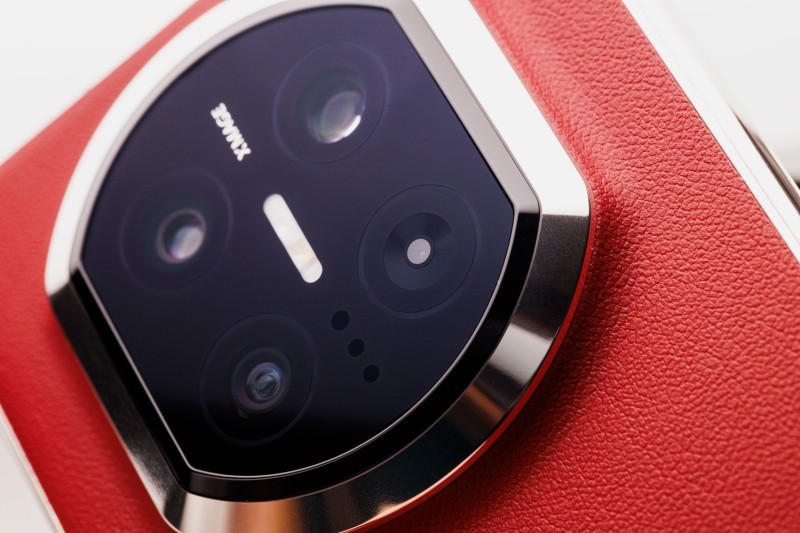
Dedicated color spectrum sensor.
Other than photography, the Mate X7 also excels in the video department with no issues preserving detail under backlighting conditions. Thanks to its capability to capture 4K up to 60 fps video with a dynamic range of up to 17.5 stops despite not having a log profile, and by taking advantage of its gyro electronic image stabilization, optical image stabilization, and high dynamic range, pro-level videos can be created with ease. It can also create slow-motion video at 120, 240, and 960 fps, though these will only be in 1080p resolution. It is also important to note that 960 fps is implemented based on the AI frame-insertion algorithm.
Real-World User Experience
There is, without question, going to be a period of adjustment when using the Mate X7 fresh from another platform. While the camera system can be powerful here, it does not behave like a conventional smartphone camera, as there is basically no one mode for all. Knowing which mode to use will allow you to leverage its strengths and minimize its weaknesses. So, I do highly recommend that you take your time to understand how each mode behaves to fully utilize it to its advantage. I will also share some of my practical tips toward the end.
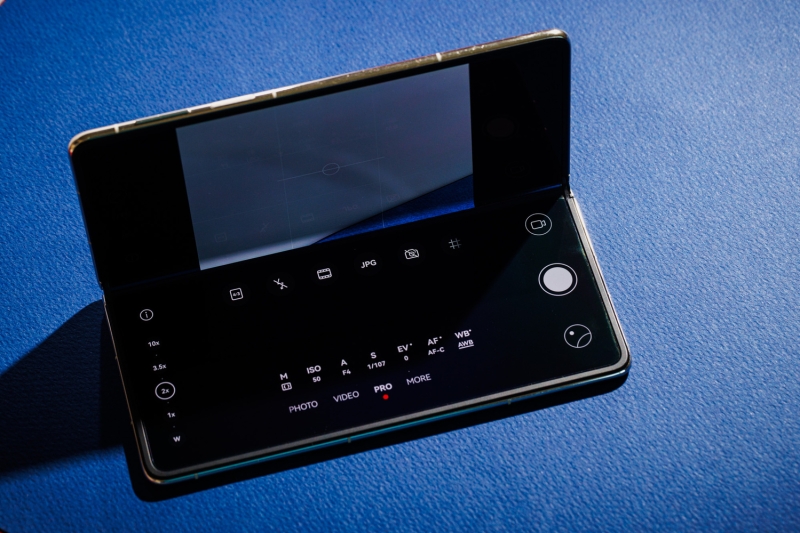
Coming from a traditional bar phone, one of the most immediate changes in day-to-day use comes from the physical form factor itself. The larger screen real estate, when unfolded, not only provides you with a larger preview, allowing you to be more deliberate with how you shoot, but it also allows you to immediately review, cull, or even perform minor edits to the images right on location. That said, I do not recommend doing the last one all the time, or you will risk missing shots. Folding the phone halfway also allows you to have all the camera controls separated from the preview, making it comfortable for waist-level shooting—a feature that I notice myself using more over time, changing the way I fundamentally shoot with a smartphone. Note-taking, project planning, and travel documentation also become easier with the larger screen.
In terms of camera hardware, I believe the main camera, featuring a high dynamic range 50 MP 1/1.28-inch RYYB sensor with an adjustable aperture of f/1.49 to f/4, is as good as it is going to get in such a small form factor, and anything beyond that will need a larger sensor and optical elements. The only downside I can think of is that the 50-megapixel main camera might sound like a great deal on paper, but in reality, it relies heavily on pixel binning to achieve the high-megapixel output, which in practice gives you more pixel resolution but not much more detail when the shooting condition isn’t ideal. This is also why I usually prefer going with the default 12-megapixel resolution most of the time for casual shooting and only switch on the enhanced 25-megapixel or 50-megapixel mode sparingly when needed during ideal conditions. Flaring control on all three cameras is surprisingly good, and having a physical variable aperture on the main camera is also a big win. Not only does it help with exposure control in video mode, but it also gives specular highlights the “starburst effect,” which is something rarely seen in smartphone images. Besides that, stopping down also helps increase depth of field when you are shooting something close up, which is especially useful with the increased sensor size. However, what I am not seeing is increased edge clarity when stopped down. In fact, in dimmer conditions, you are going to get a softer image when the noise reduction starts to kick in.
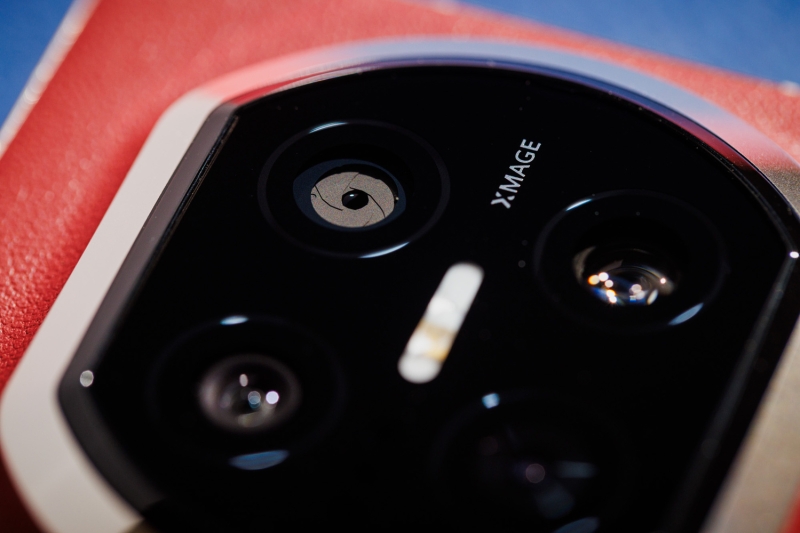
Physical aperture of the main camera module at f/4.
Color and tonal rendering are where the Huawei Mate X7 stands out the most. Personally, I do like the straight-out-of-camera images, especially those shot under bright sunny conditions, as they do turn out pleasing enough without the need for further post-processing. Even for most shooting scenarios, the tonal curves feel nicely produced, with colors that look natural and accurate to the eye. I suspect this is largely contributed to by the dedicated color spectrum sensor, analyzing and producing pleasing tones straight out of the camera and maintaining great consistency even when switching between lenses. Blocking the dedicated spectrum sensor introduces some noticeable color shift. If you prefer to have a certain look to your image, there are also XMAGE profiles such as Vivid, Bright, and Monochrome available for you to apply. The Vivid profile will give you a contrasty look, while the Bright profile will give you an airy look, though I do find the Vivid profile a little strong and wish there were a way to dial back the intensity.






Despite being a mobile phone, the shooting experience of the Huawei Mate X7 feels thoughtfully designed. The one-tap exposure adjustments are adjustable by 0.1 stops and are accompanied by haptic feedback, which makes fine-tuning feel more tactile and precise. You can also choose to split the metering and focus point by long-pressing the focus point. Personally, this feature alone is a big win for navigating tricky lighting conditions, as you can now meter and focus on different areas of the frame. Shutter-button behavior also differs depending on the mode you are in: in Pro mode, the shutter only fires upon release, much like a traditional camera—something I use a lot when I am anticipating the right timing to shoot. In contrast, normal photo mode behaves more like a typical smartphone, firing bursts when the shutter is held down. Huawei has also designed a smart way of using the phone’s built-in flash: it allows it to be switched into constant light mode when taking images, helping you see and focus on your subject when shooting in the dark. Autofocus is pretty fast, with face detection catching onto human faces almost instantaneously, further elevating the entire shooting experience.
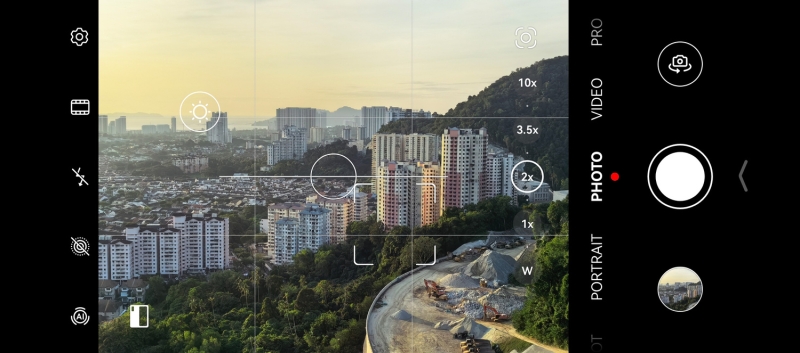
Split metering from focus point – works in both Pro and Normal modes.
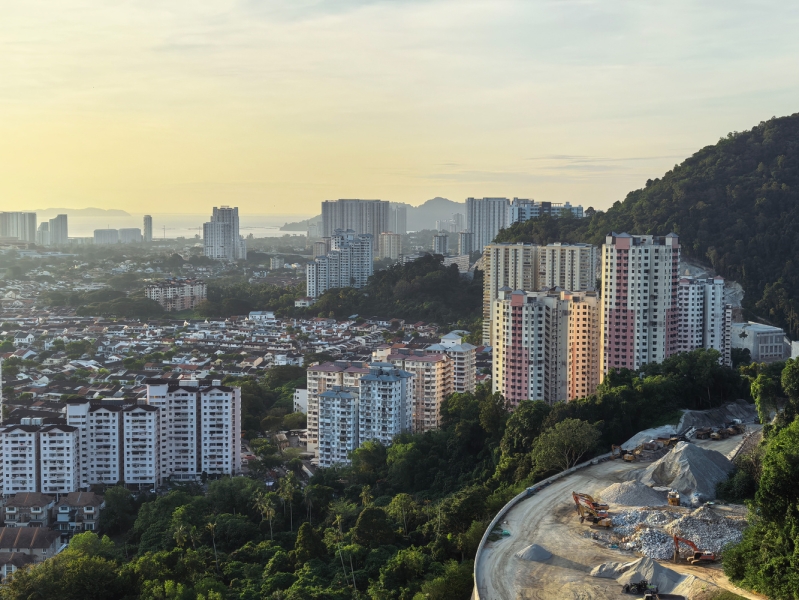
Straight out of the camera image. By splitting the metering from the focus point, you can now get both a gradual highlight roll off and also focus on the subject in front.
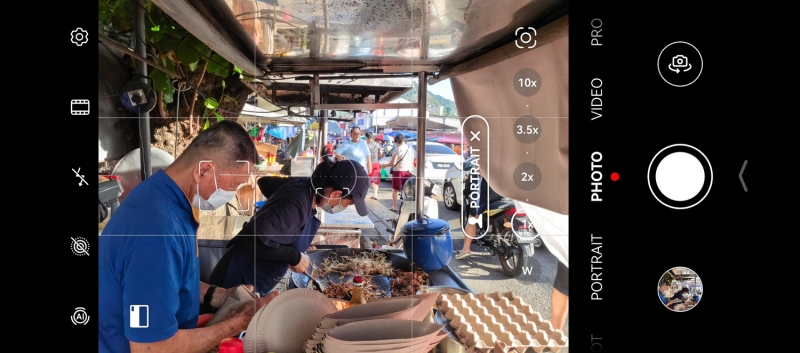
Human face detection.
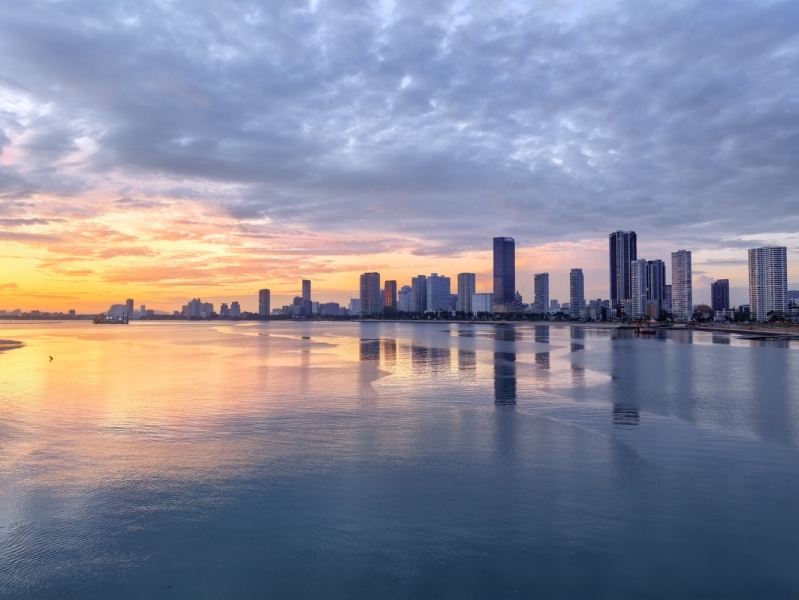
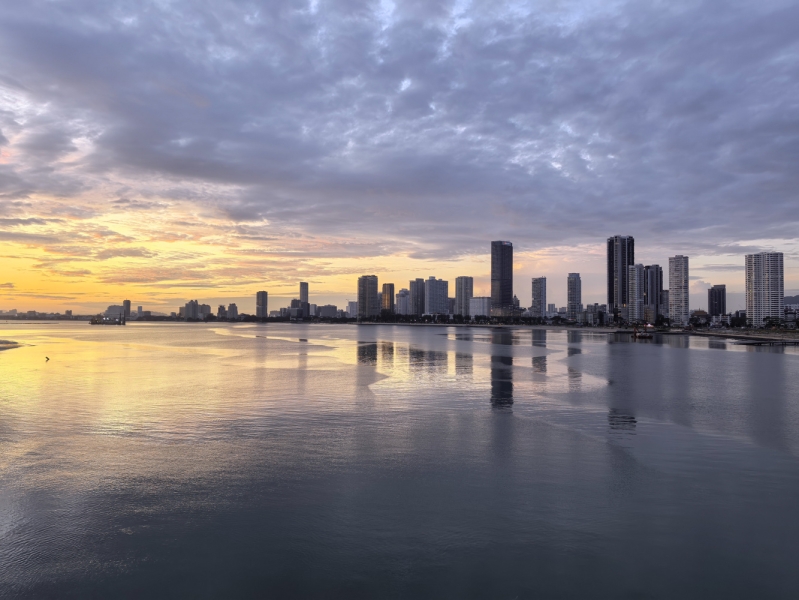
Here is where things become more complicated. As mentioned above, there is no simple one mode for all types of shooting scenarios, and you are going to need to select a specific mode to take advantage of the camera and get the best result. Thankfully, throughout my testing, normal photo mode is probably all you are going to need most of the time. This is because it retains a lot of the computational processing, hence producing “stronger” images, especially in less-than-ideal conditions. Pro mode, on the other hand, strips away a lot of the automated processing and offers you the ability to fine-tune the shooting parameters, but in reality, there isn’t really that much you can adjust that is worth your time fiddling with settings that will largely improve the image for casual shooting. In fact, at first glance, it almost always delivers slightly inferior images that require post-editing to bring back tonal range. The raw files obtained from Pro mode can be quite unforgiving under low light unless you are prepared for heavy post-processing. Therefore, your best bet is still using normal photo mode, or, if you are shooting in Pro mode, setting it to JPEG or JPEG-L (50 MP) will make the most sense. Note that using JPEG-L (50 MP) will produce files that are significantly larger and also disables the 10x zoom function. There is also no way to control noise reduction levels in any of the photo modes—another trade-off to be aware of. While we are here, I do recommend keeping Master AI on in normal photo mode, as it does give you a good balance of color enhancement to the image.

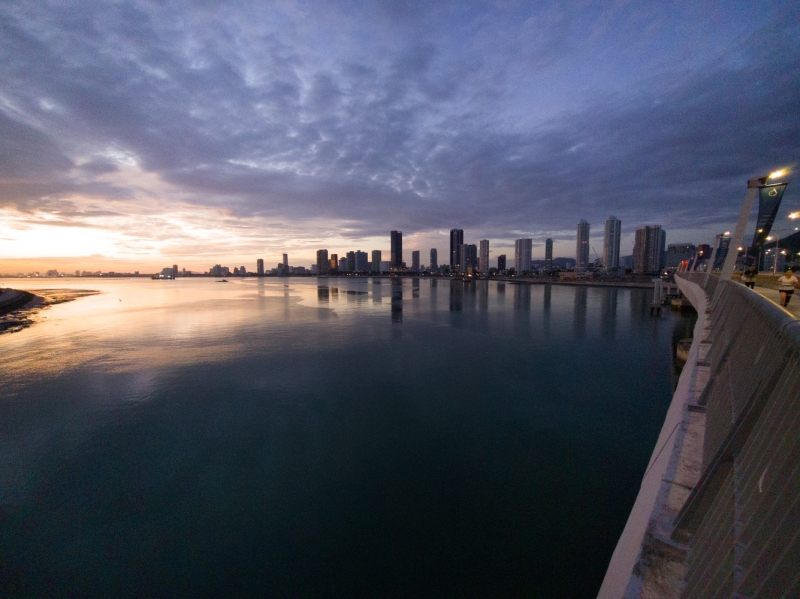

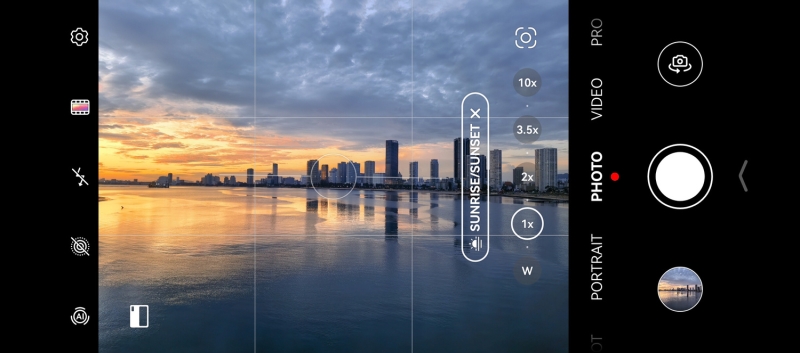
Auto scene detection with Master AI on.
Despite having the telephoto camera module in the Mate X7 redesigned to incorporate an f/2.2 aperture (the widest aperture available in a foldable phone), I still find it struggling under dim light, made worse with noise reduction automatically applied, as the results can look like they are generated by AI. This might be a tough pill to swallow, but I think we are reaching the physical limits of what small smartphone optics can do—think of the zoom lens in a proper camera: they do protrude quite a bit to achieve that magnification. And if there is one area where the manufacturer will compromise, it will most likely be the telephoto department. This is because most users don’t use zoom that often unless they are at concerts. Stabilization is also weaker on the telephoto end of things, especially noticeable under low light. I suspect this is due to the camera performing noise reduction and a bunch of post-processing in real time. It is made even worse with the lowered shutter speed—the enemy of electronic image stabilization. I would highly recommend that you review your images after taking them, or you will risk discovering blur when you are back.

10x zoom on normal photo mode. Notice the slight blur at the bottom of the frame and overall heavy noise reduction. Overall color and tones are still well preserved.
That being said, I do still love the 3.5x zoom lens on top of the 2x digital zoom, as it offers a bit more reach optically while staying within the limits of what the hardware can comfortably deliver—especially after diving deeper into the camera. I did discover that anything produced within the optical zoom range is good; anything beyond is acceptable at best, though from what I have tried, it could possibly already be the best in its class. And here is a handy tip for you: switch to Pro mode to get a better result if you are shooting anything above 3.5x. This is because in Pro mode, it avoids aggressive noise reduction and retains more detail, albeit at the cost of increased noise and heavy artificial sharpening.
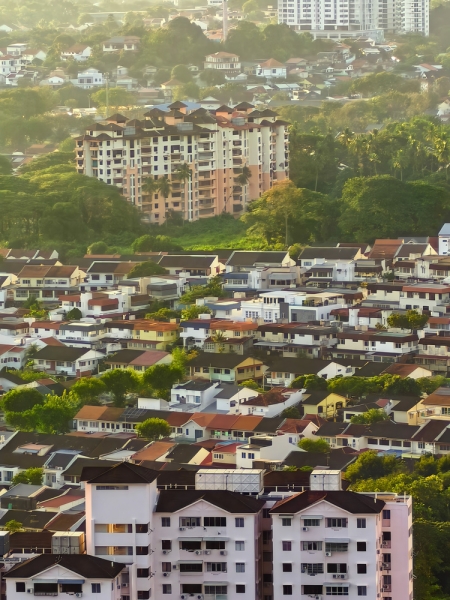
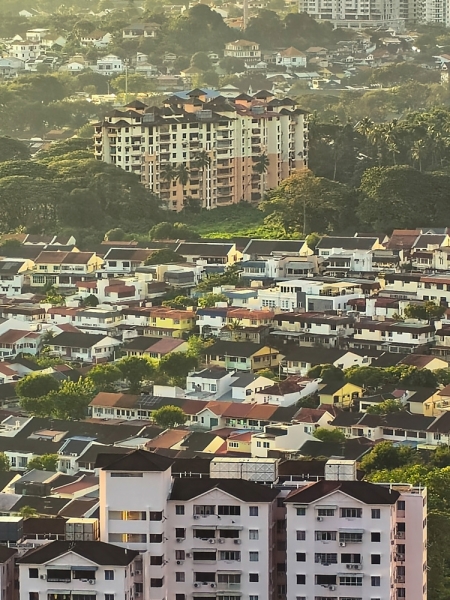
Now let’s address the Achilles heel of a smartphone camera: low-light performance. Light will always be your best friend when shooting with a small sensor, though with advanced computational photography and great stabilization, we can get away with a lot of the inherent limitations. And I am happy to say that the Huawei Mate X7 does exactly that, as you can get some pretty good handheld results under low light conditions with the main camera in Night mode. You should note that Night mode will only be useful for static subjects, as it drags the exposure time up to 2 seconds or more to reduce noise by increasing light intake. You can still shoot with normal and Pro mode, as I did find that the algorithm seems to be smart enough to drag its shutter speed as much as possible in favor of lowering the ISO, but it is not long enough to produce a clean image. Besides, if your subject is static enough, you might as well go with Night mode since you are going to get better color with Night mode.


Practical Tips
-
Use normal photo mode for almost everything. It delivers the best balance of detail and color, taking advantage of computational processing.
-
Use Pro mode only when necessary, mainly for zooming beyond 3.5x or when deliberate shutter timing matters. Expect more noise in the image.
-
Avoid raw unless you enjoy heavy post-processing. The phone’s JPEG output is far more practical.
-
Stay within optical zoom whenever possible. Results are good up to optical zoom; anything beyond is acceptable at best, especially in low light.
-
Be cautious with the telephoto in low light. Stabilization weakens, shutter speeds drop, and images can look overly processed. Always review your shots immediately.
-
Light matters more than modes. The camera shines in bright conditions; slower shutter speeds in low light increase blur risk.
-
Use Night mode only for static subjects. It drags exposure time to reduce noise and works best during blue hour or scenes without movement.
-
Leave Master AI on. It provides the most consistent results in most situations.
-
Use split metering and focus for tricky lighting. Meter and focus on different areas of the frame to maintain control in high-contrast scenes.
-
Accept that there is no one perfect mode. Knowing when to switch matters more than tweaking settings.
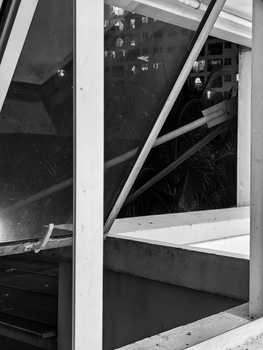
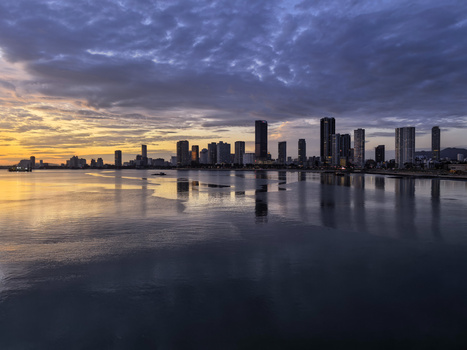

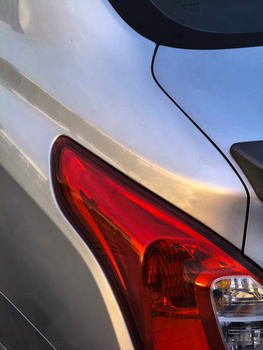
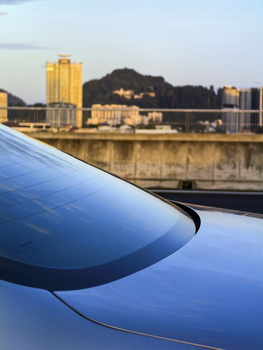
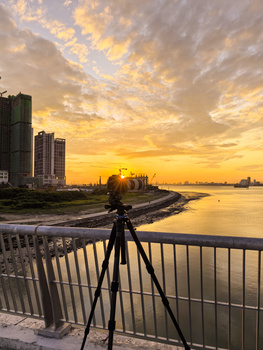

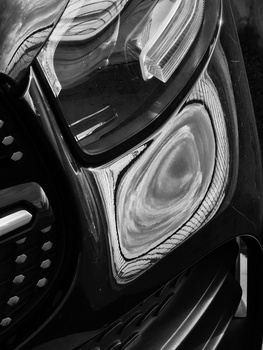
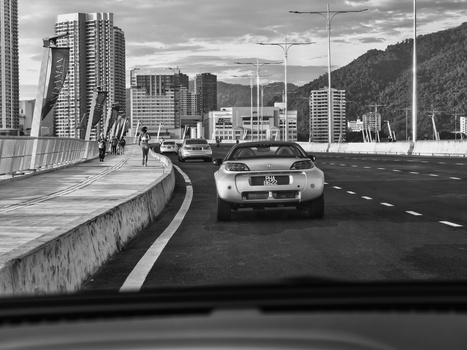

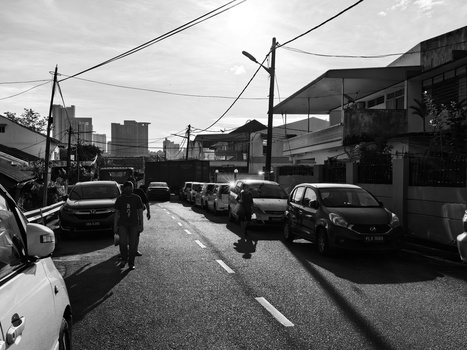

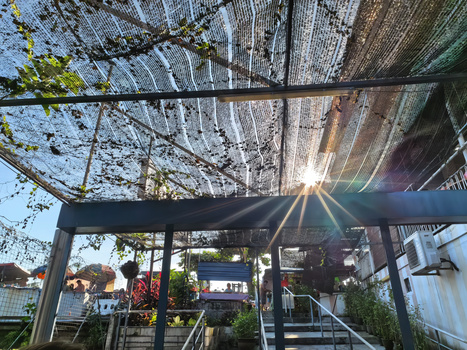
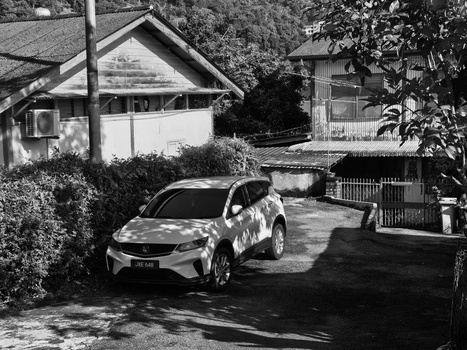
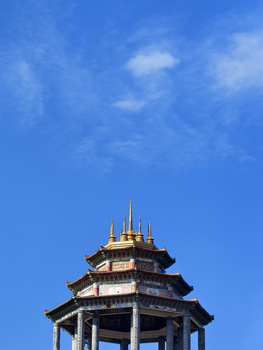
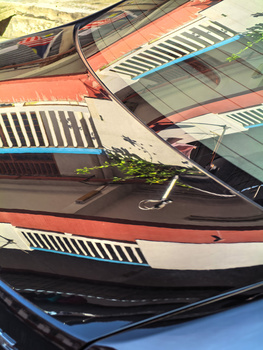
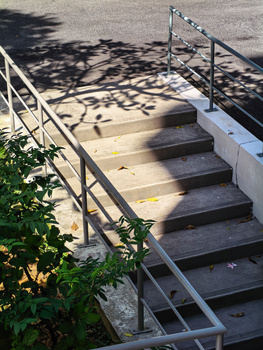
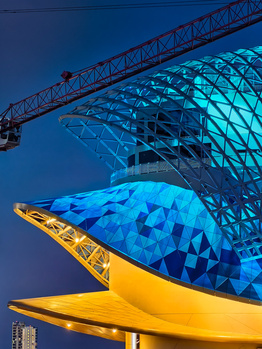
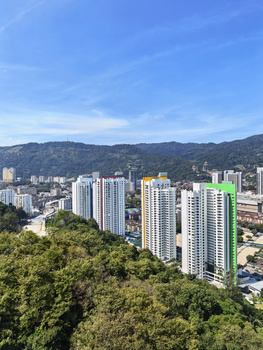




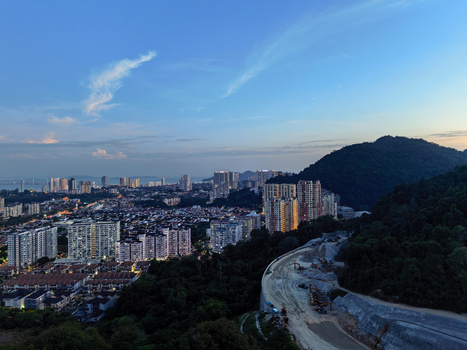
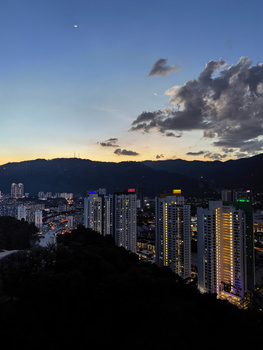


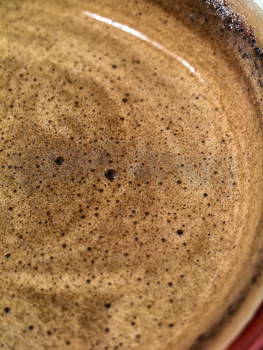



A wide collection of images shot with the Huawei Mate X7 across multiple days and multiple subjects.
Summary
What I Liked
-
Excellent tonal rendition from the main camera, even without post-processing
-
Consistent color rendering across lenses, aided by the dedicated color spectrum sensor
-
Variable aperture allows better depth-of-field control and enables physical light reduction in video mode
-
Having a physical aperture produces a more pronounced and natural starburst effect—something rarely seen in mobile phone cameras
-
Large display provides ample screen real estate, making on-device viewing and editing on the go far more practical
-
Impressive video dynamic range, rated at 17.5 stops, possibly thanks to its intelligent real-time HDR blending
-
Solid build quality with a sturdy hinge, useful for achieving stable angled shots and helping ensure longevity
-
Ability to use the main camera for selfies and vlogging, improving overall image quality
-
Strong low-light performance and images coming from the main camera
-
Telephoto macro capability delivers higher-quality close-up images compared to digitally cropped wide angle macros
What Could Be Improved
-
Option to adjust the opacity or strength of XMAGE image profiling
-
More granular control over noise reduction levels
-
Future improvement of the telephoto and ultra-wide cameras is always welcome
-
Addition of 24 fps and 25 fps video recording options in the native camera app, aligning with common videography workflows
-
Improved telephoto stabilization, or smarter ISO prioritization over slower shutter speeds to reduce motion blur
-
Reduced reliance on switching between different camera modes for specific shooting scenarios
Final Closing Thoughts
This is, quite possibly, the best camera system you can currently find on a foldable device. It is for sure not going to replace your traditional camera when it comes to bigger prints, but for something casual on social media, this is probably as good as what you are going to get. After all, it is still just a phone, and it is important to keep our expectations realistic.
Even for those of you who are not primarily drawn to its cameras, I am pretty sure you will be impressed when using the Huawei Mate X7 unfolded. The additional screen real estate has so much usability that it changes how images are viewed, reviewed, and interacted with. And when folded, it feels not that different from a traditional bar phone, which makes it so impressive, judging by how much has been packed into such a slim form factor.