Contents

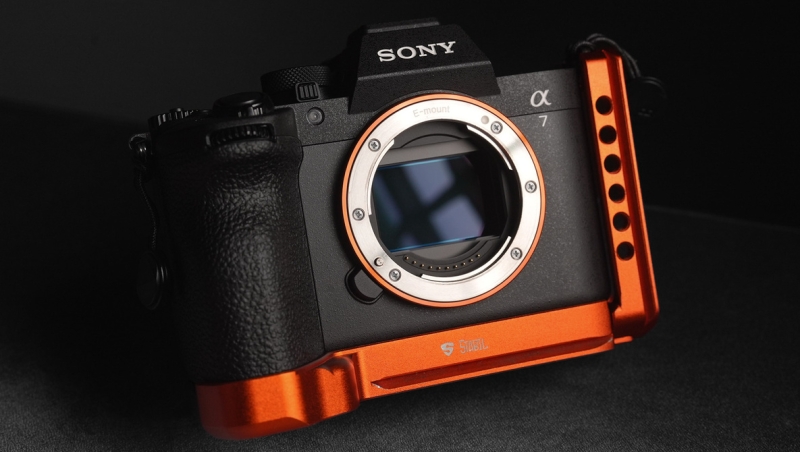
One of the year’s most awaited cameras is finally here, and it comes with major upgrades that users of the previous generation will love. The Sony a7 V may look almost the same, but the internal hardware and handling have a lot to offer.
As Sony’s Alpha camera lineup has evolved and grown in the past decades, the (standard) a7 remains the middle ground of everything. The a7S offers video-centric features and impeccable low-light performance, the a7R line offers even higher resolution, the a9 series offers speed, and the a1 (almost) puts together the top-tier features as the flagship line. The new generation of the a7, the a7 Mark V, elevates the so-called middle ground and can even be considered as “the baby a1 Mark II.”
Build, Design, and Physical Features
The a7 V comes with some minor differences in size and weight compared to the a7 IV. It comes in at 130.3 x 96.4 x 72.3 mm, 0.7 mm shorter and 2.6 mm thicker because of the updated screen. It is also 37 grams heavier now, coming in at 695 grams including the battery and front body cap.
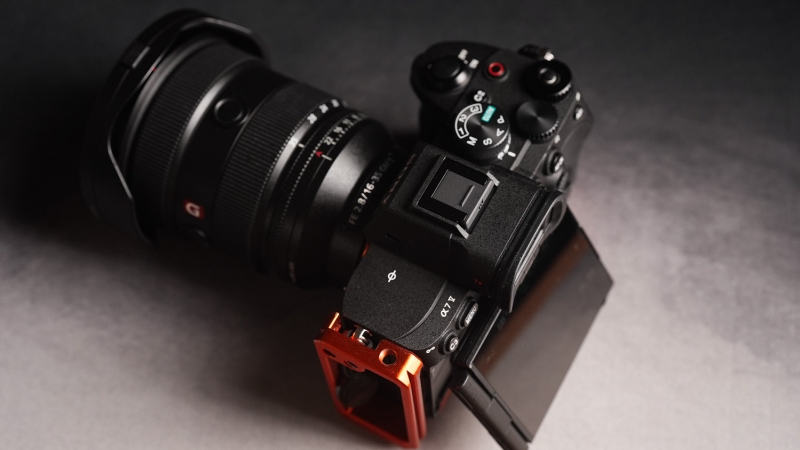
It features the same button layout as the a7 IV and the a7R V, with an abundance of customizable buttons and dials on top and at the back of the camera. It has the same EVF as well and also comes with the photo-video-S&Q switch that first appeared on the a7 IV, along with the EV compensation dial now being programmable. One key difference is that it now has two USB-C ports instead of one and is capable of 10 Gbps transfer speeds for more efficient use. The memory card slots were retained, with one slot exclusively for SD UHS-II and another slot being hybrid for SD and CFexpress Type A.
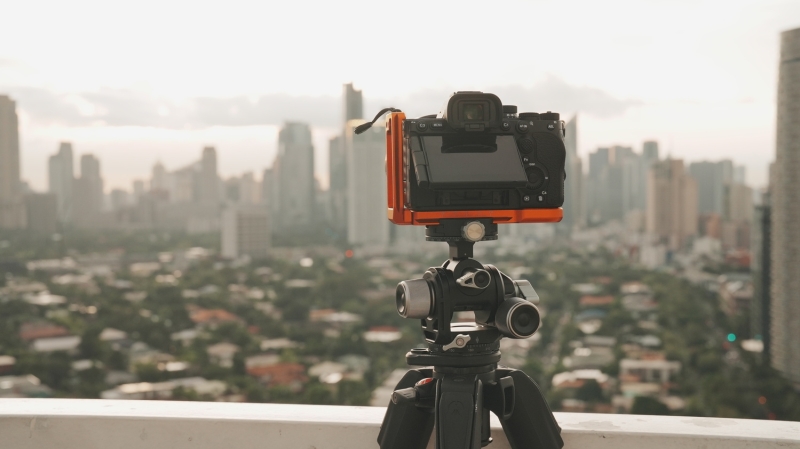
The biggest physical difference is the new 3.2-inch, 2.095-million-dot, 4-axis vari-angle touchscreen that comes with double the resolution of the previous generation. Just like the a7R V and the a1 II, the screen independently tilts up and down even without the external flip-out, which makes it ergonomically easier to adjust the viewing angle and lessens the possibility of obstructing the range of motion whenever there are accessories plugged in on the side or when using an L-bracket.
New Sensor
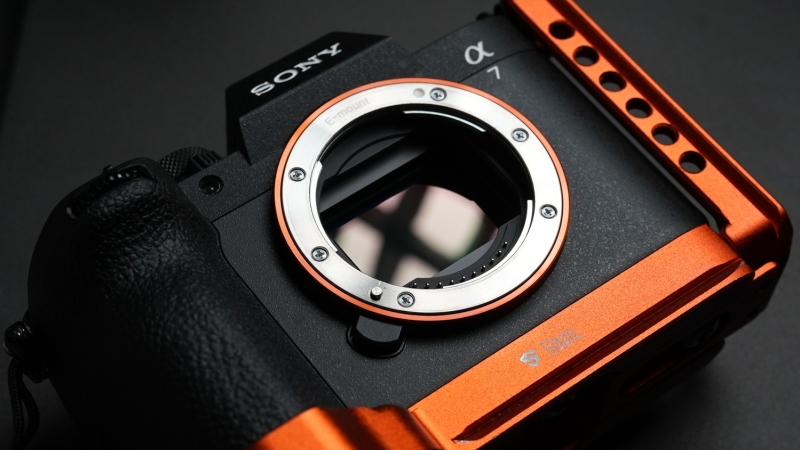
The a7 V comes with a newly developed sensor called the Exmor RS. Though it comes with the same 33-megapixel count, this full frame sensor is partially stacked, which has huge implications on high-speed burst shooting, faster processing, and high-frame-rate video recording. This new sensor is capable of recording 16 stops of dynamic range in a single exposure. Older sensors offered 15 stops, but theoretically the one additional stop has a lot of implications. However, as of writing this, raw support is yet to come to Adobe Lightroom and other raw image processors, so we still have not seen the full extent of this improvement. With this update also comes the capability to record composite raw images, which merges together multiple exposures into a single raw file that has more implications on dynamic range.
New AI Integrated Processor
In tandem with the new sensor is a new BIONZ XR2 image processor, which now comes with AI integrated into it. The a7 IV was one of the last cameras that did not yet have AI; the a7R V came with a separate chip for AI. This new BIONZ XR2 on the a7 V comes with the processor and AI integrated into one for faster performance. This new camera now comes with subject selections for humans, animals (in general), birds, insects, and even cars, trains, and planes.

AI was mainly utilized in subject recognition, eye AF, and continuous focus tracking. Now it also seems to be using subject recognition to better determine proper white balance and color rendition.

Captured in high speed continuous burst at 30 fps.
Even more so, the new processor also contributes greatly to the capability to shoot 10 frames per second with the mechanical shutter and significantly more with blackout-free 30 frames per second using the electronic shutter. It also comes with the pre-capture function that was first introduced with the a9 III, which reduces the chances of missing crucial moments when photographing action or fast-moving subjects. It also comes with 7.5 stops of stabilization, and of course the processor also contributes to the ability to shoot composite raw.

Video Capabilities
It wouldn’t be a hybrid camera without significant improvements in video features. The a7 IV could only shoot 4K at 30 fps at full frame, while it could do 4K 60 fps with a 1.5 crop. The new a7 V is now capable of crop-free 4K 60p by turning on the 4K Angle-of-view Priority feature in the menu. At Super 35 mode, it can shoot up to 120 fps video at 4K as well. Like the a7 IV, this one can record at 10-bit 4:2:2 color but also retains the 8-bit 4:2:0 mode option.

Captured still from a slowed down 120 fps clip.
In addition to the resolution, frame rate, and color capabilities for video, it now also offers Dynamic Active stabilization for video like the ZV-E1, but of course this comes with a significant crop. It also has auto-framing functions for videos with a lot of movement from the recognized subject as well.
Who Is This Camera For?

Being the middle-ground product line, technically this camera is for everyone who wants to get a full frame body, whether for hobby or professional use. The combination of features enhances the performance of the camera in various photography and videography workflows. Most of the implications of the new features would benefit any and all photography genres because of enhancements in image quality, focusing, and color rendition.

Note how the greens seem to be affecting the treatment of color on the other parts of the frame.
Portraits and any other genre that focuses on the appearance of human subjects can benefit from the enhanced color processing even in environments with tricky and clashing colors. Details can potentially be better rendered in backlit situations because of the increased dynamic range, and of course, focusing is much faster and more accurate with the AI autofocus features.

Shooting action and fast-moving subjects is heavily enhanced. In combination with the fast and adaptive autofocus tracking, shooting at 30 frames per second comes with a much higher success rate. This applies to shooting sports and dynamic events, as well as to photographing moving animals such as birds in flight.
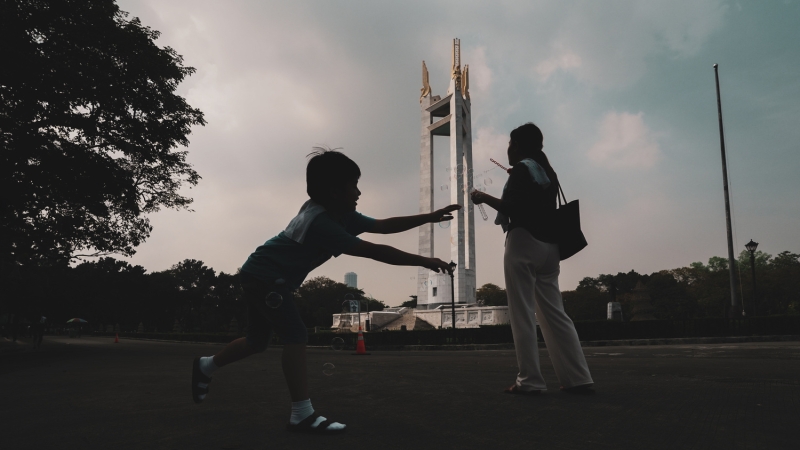
With the physical improvement on the screen, shooting from high or low angles has also become more ergonomic. It may seem like a minor change, but the implications allow the user to have a smoother and more comfortable workflow. This is great especially for high-angle, top-down shots for still life or product photography, as well as shooting from the hip or even on the ground in street photography.
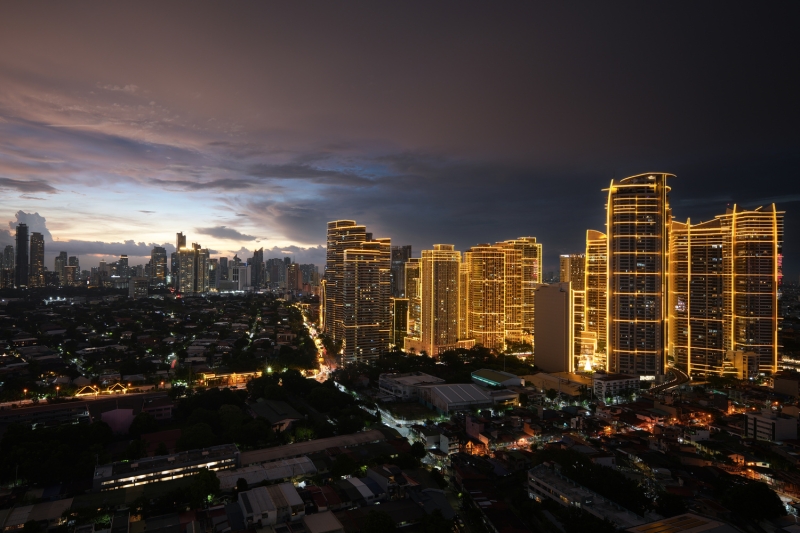
sample jpeg since raw support is not yet available at this time
Of course, the resolution, dynamic range, and the color implications of AI white balance would also greatly benefit shooting landscapes, cityscapes, and architecture. Variations in the lighting environment can better be dealt with by this combination of features, and challenges in dynamic range are easier to fix because of the expanded range as well as the option of composite raw shooting. At the same time, very long exposures are now also very easy to do because of the bulb timer feature now being available on the a7 V.

Putting everything into context, this camera is indeed a great option for everyone, especially those who either have many different workflows or those who don’t have the budget for the more specialized cameras in the a7S, a7R, a9, or a1 lines. As a hybrid full-frame camera, the Sony a7 V can do well in most tasks for both photo and video with more practical features than the more specialized cameras around.
What I Liked
- 33-megapixel partially stacked sensor
- Enhanced AI processing for focusing and color
- 4-axis vari-angle screen
- 30 fps stills
- 4K 60p video, no crop
What Can Be Improved
- Dual hybrid SD/CFexpress slots