Contents

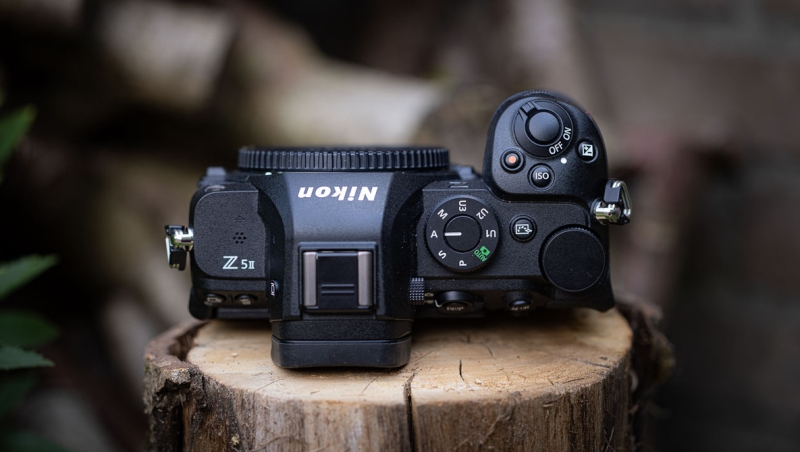
Are you looking for a full frame mirrorless camera that’s relatively affordable? Then check out the Nikon Z5 II. This entry-level model is more than just a basic camera and offers semi-professional features within reach.
When you go for a full frame mirrorless camera, you usually end up in the more expensive price range. There are cheaper models, but they often lack important functions. With the Z5 II, Nikon seems to have solved this problem.
The Nikon Z5 II is the second version of this so-called entry model. For a price of around $1,850, you get a camera that is much more than just a beginner’s tool. It comes with functions and options that are normally only found in more expensive models.
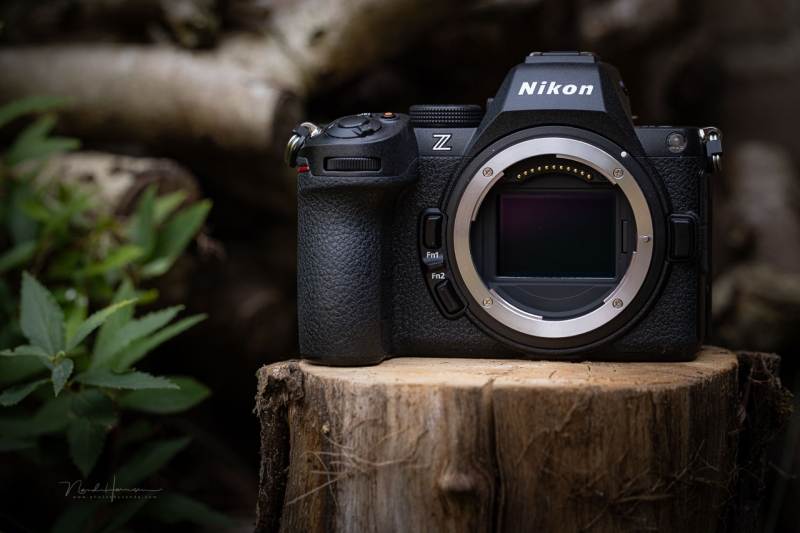
The Nikon Z5 II is an affordable full frame camera.
The Z5 II at a Glance
As mentioned, the Z5 II is a full frame camera with a 24-megapixel back-side illuminated sensor. The body is the same as the first version, but many things have been improved compared to the earlier model.
Main Specifications
- 24 MP back-side illuminated CMOS sensor
- In-body image stabilization up to 7.5 stops, linked to the focus point
- Up to 11 frames per second in Raw, 30 frames per second in JPEG
- JPEG pre-buffer
- Subject recognition for people, birds, animals, airplanes, and cars
- 299 focus points
- Autofocus sensitivity up to –10 EV
- 3.69 MP electronic viewfinder, 60 Hz refresh rate
- 3.2-inch fully articulating touchscreen LCD with 2.1 MP resolution
- Dual UHS-II SD card slots
- 4K video up to 30p, or 60p with a 1.5x crop (APS-C)
- N-RAW, N-Log, and HLG 10-bit video recording
Compared to its predecessor, the Nikon Z5 II can recognize more subjects and shoot at higher frame rates. In JPEG, you can even go up to 30 frames per second with pre-buffering.
The LCD screen is now fully articulating, making the camera more suitable for vlogging. The screen has an increased maximum brightness, which is handy when shooting in direct sunlight.
Video features have also improved, with higher frame rates in 4K and options for raw and Log recording. However, the review only covers photography.
The Looks of the Nikon Z5 II
The body design is unchanged from the previous model. The grip feels solid, and the thumb rest on the back gives a secure hold. The camera has a control dial under the shutter button and one on top, but a third dial is missing.
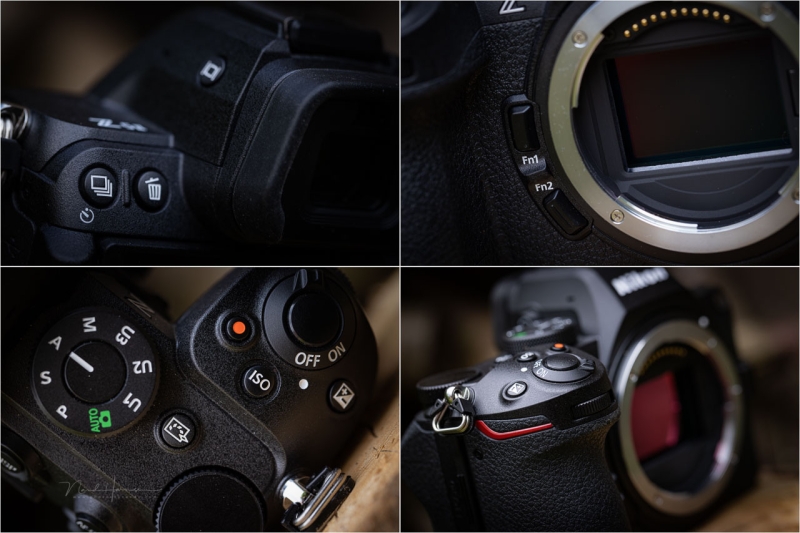
There’s a joystick and an AF-ON button available. On the back, you’ll also find a photo/video switch and a stiff four-way button with the OK button in the center.
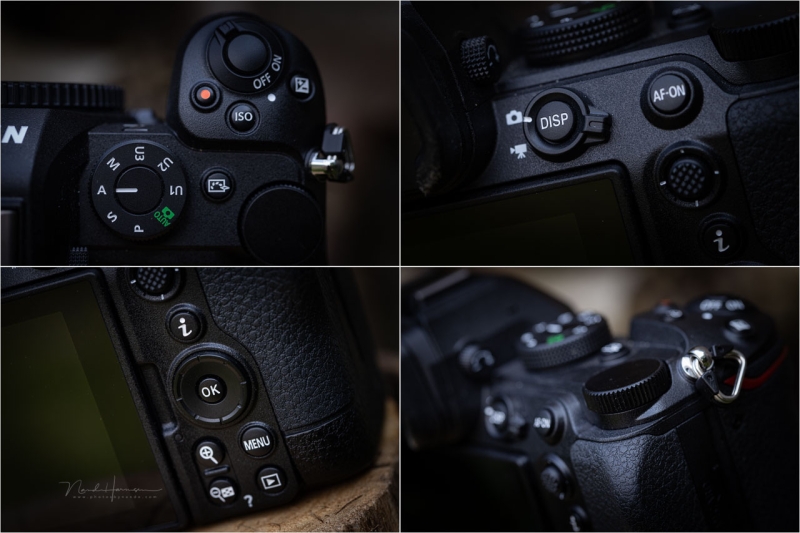
All buttons are placed conveniently, which makes the camera easy to operate. On the front are two customizable function buttons that can be programmed to the most frequently used settings.
The dual UHS-II SD card slots are unique in this price range and very welcome. On the other side of the camera body are the ports: microphone input, headphone jack (which doubles as a remote connector), USB-C PD port for in-camera charging, and mini-HDMI. The latter is a less ideal choice compared to more commonly used micro or full-size HDMI.
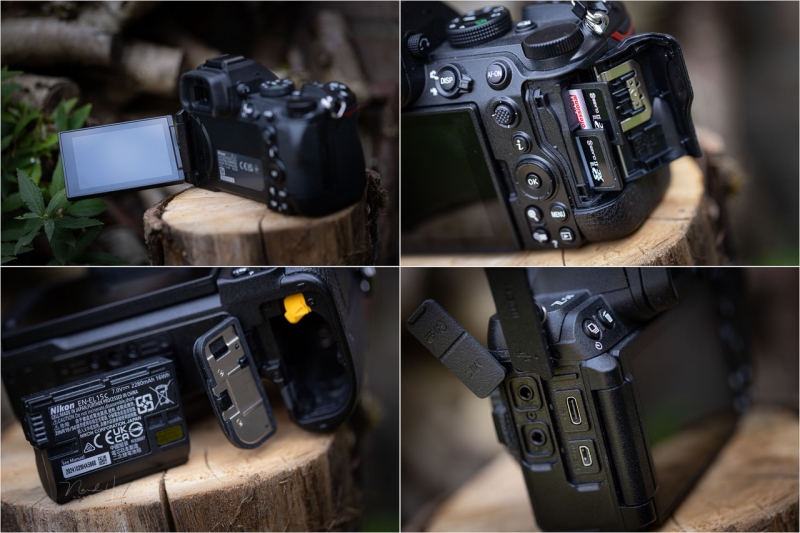
The battery is the familiar EN-EL15c (16 Wh), used in many Nikon full frame cameras. It’s rated for about 330 shots (CIPA), though in practice you’ll get more. If you need extra power, the MB-N14 battery grip is an option.
Image Quality
The 24 MP back-side illuminated CMOS sensor is the same one used in the Nikon Z6 II and Nikon Zf. It’s not new, but it is an upgrade over the original Z5’s sensor.
The sensor doesn’t have a fast readout, so rolling shutter is noticeable when using the electronic shutter. Switching to the mechanical shutter will reduce this slightly, but you will lose the fast burst speed of 30 frames per second.
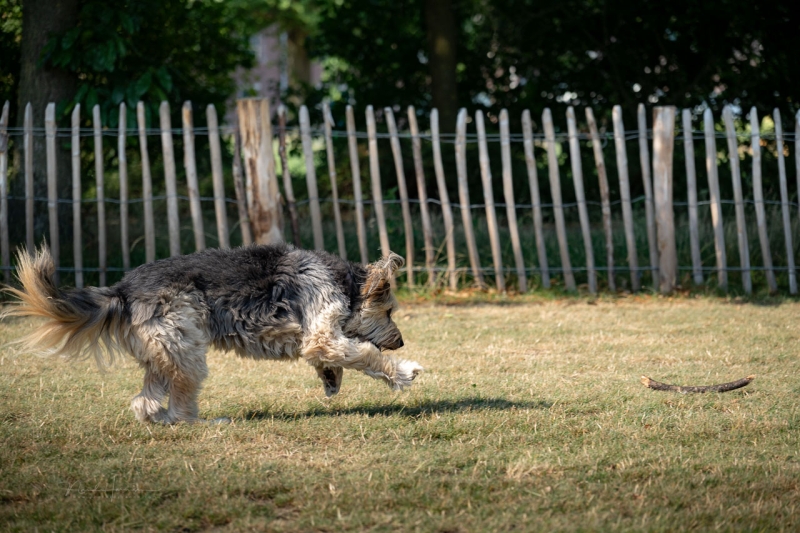
There is a strong rolling shutter effect. It is something to keep in mind when photographing fast action.
The ISO performance can be considered good. The maximum ISO is 51,200, expandable by 1.7 stops. Noise becomes clearly visible at ISO 12,800, and ISO 25,600 is not really usable except in emergencies.
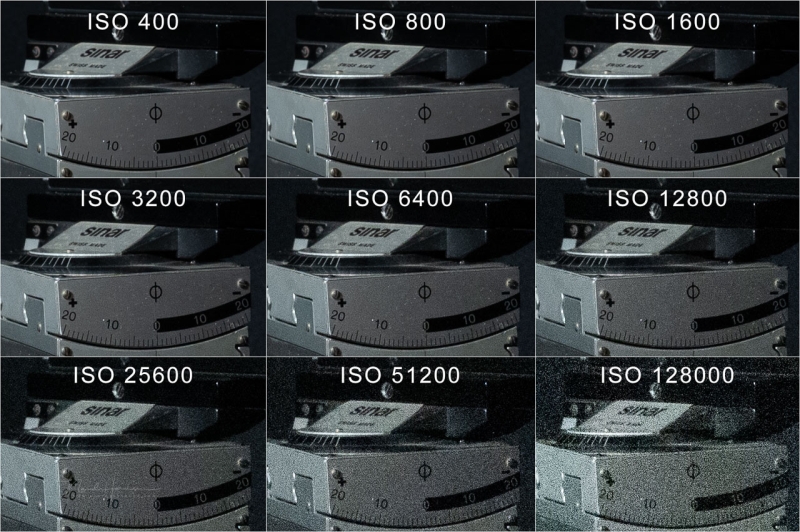
ISO performance, captured in Jpeg
It is possible to lift shadows or rescue underexposed areas up to four stops without major problems. Sometimes it can be stretched to five stops with the help of clever noise reduction options in post.
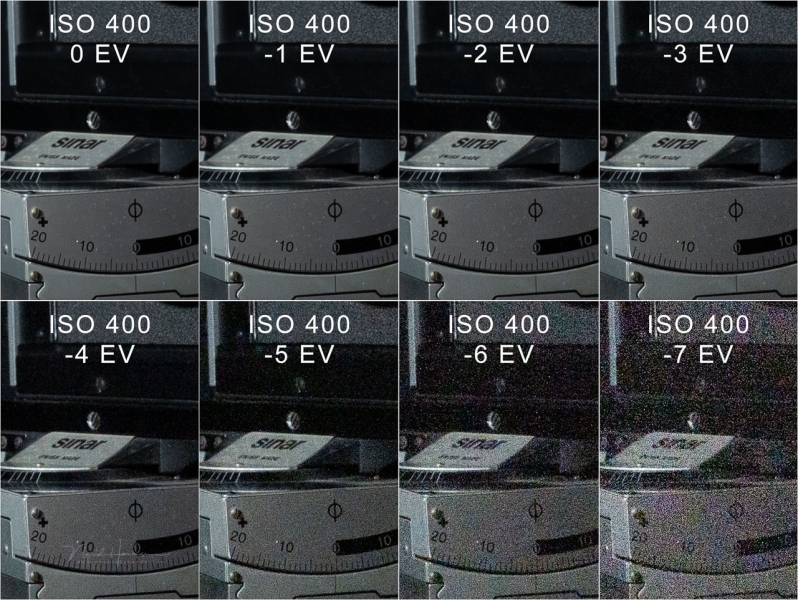
Recovery of shadows, captured in Raw, edited in Lightroom Classic
Autofocus Performance
The autofocus performance has been improved. The sensitivity even goes down to –10 EV, which is enough to focus on stars at night. Thanks to the fast Expeed 7 processor, the camera can recognize many subjects: people, birds, animals, cars, and planes. You can choose a subject type yourself or let the camera decide.
Recognition works well if the subject is large enough in the frame. The camera can struggle to detect a subject if it is too small in the frame.

The autofocus failed to find the heron. Captured with the Z 24-120mm f/4
For moving subjects, there’s 3D tracking. This works exceptionally well when the subject is prominent in the frame, but again, performance drops if the subject covers a small portion of the frame.
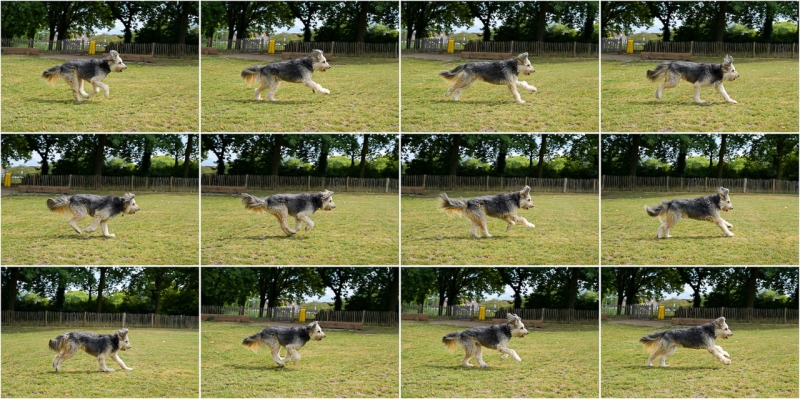
If the subject is large in the frame, the autofocus is performing good. This is captured in Jpeg, 30 frames per second.
Other Features of the Z5 II
The camera’s menu reveals how many functions it really has. The image stabilization system can be linked to the autofocus point. There’s a special autofocus mode for astrophotography, combined with a red display option to preserve night vision.
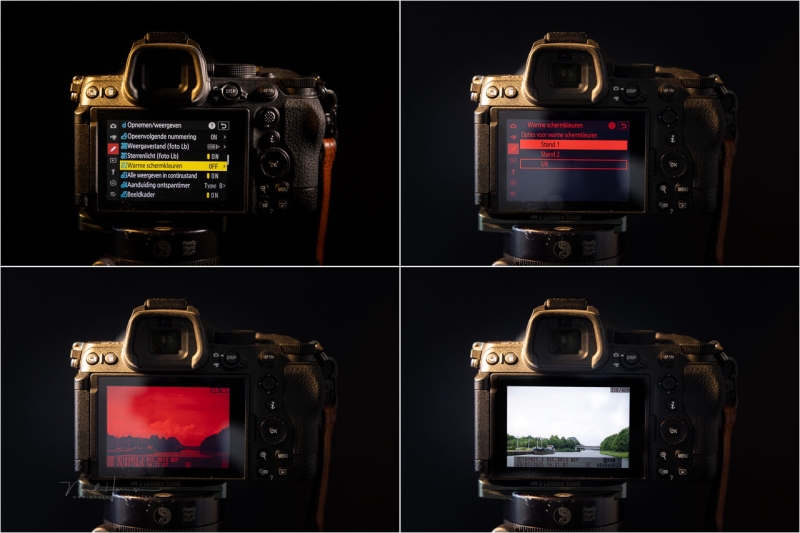
Night vision is available in two varieties. Combined with –10 EV autofocus sensitivity, the Z5 II can perform great for starry night photography.
The Z5 II also includes multiple exposure, timelapse, and focus bracketing options. There’s a high-resolution mode, and portrait photographers get features like in-camera skin smoothing and face-priority exposure.
There are more than 30 Picture Control profiles, from standard landscape and portrait looks to creative filter-like styles. You can disable unused Picture Controls to simplify the menu. A dedicated button on top of the camera offers quick access to the Picture Control profiles. If you don’t use Picture Control, you can assign the button to another function.
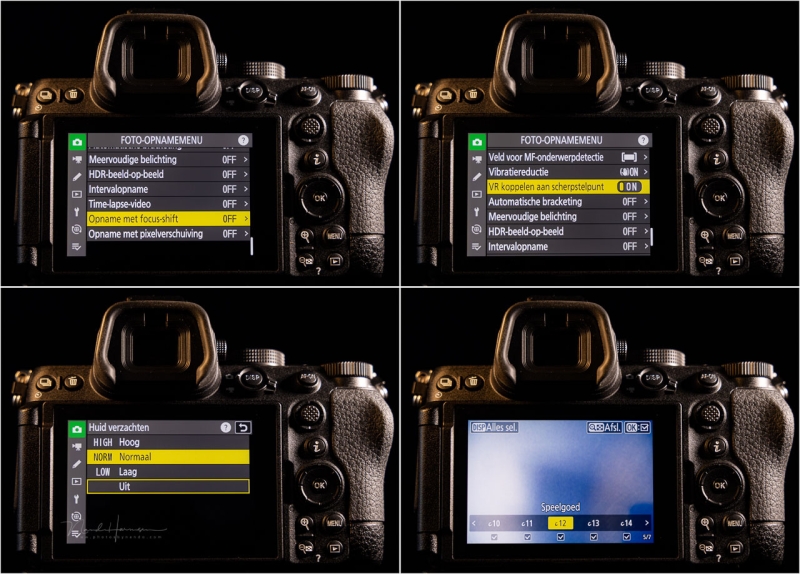
It’s the familiar Nikon menu.
However, many of these features are limited to JPEG shooting. This includes Picture Control, the 30 fps burst, and multiple exposures. High-resolution and focus stacking produce separate images that you’ll need to combine later on a computer.
Conclusion
It’s striking how much the Nikon Z5 II offers for a camera in its price range. It has features usually reserved for higher-end models. The dual card slot is just one example, but there’s much more.
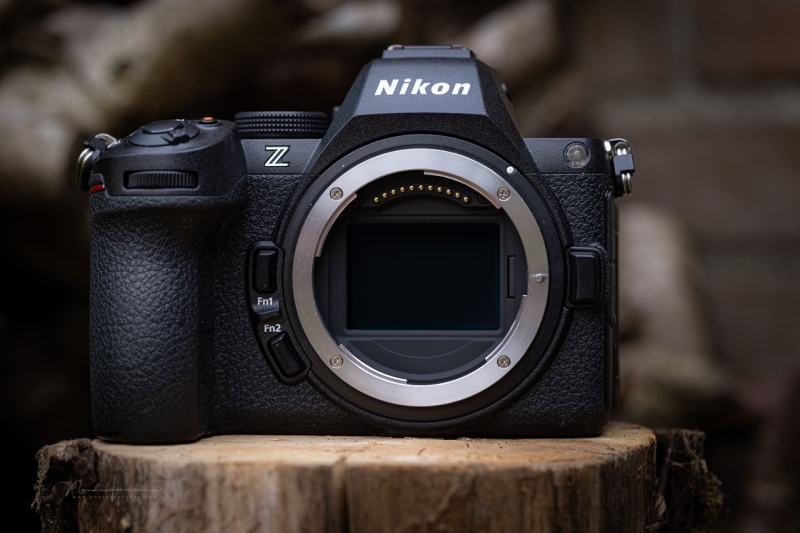
The Nikon Z5 II will be perfect for many enthusiast photographers, as well as more experienced ones.
The camera is so well-equipped that it even competes with the more expensive Nikon Z6 III. However, the latter offers a more rugged build, faster Raw shooting, and less rolling shutter. If you rely on these features, the Z6 III is the best choice.
Of course, not everything is perfect. The four-way button feels stiff, and the lack of a third control dial makes ISO adjustments less convenient. Autofocus is strong but not flawless. Subjects need to be large enough in the frame for reliable recognition, and tracking can sometimes fail, likely linked to autofocus performance. The slow sensor readout also causes visible rolling shutter.
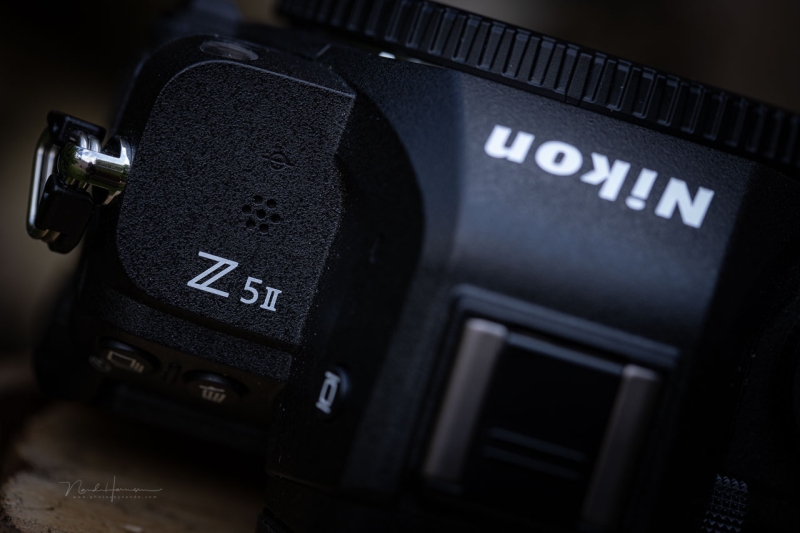
Still, the Z5 II performs very well overall, especially considering the price. It’s an excellent camera for anyone looking to step into the world of full frame mirrorless photography.
Strengths of the Nikon Z5 II
- Good ISO performance and dynamic range
- Wide range of photo features
- Fully articulating, bright LCD screen
- Dual card slots
- Subject recognition and tracking
- Image stabilization up to 7.5 stops
- Autofocus sensitivity down to –10 EV
- Astro mode with red screen for night vision
- Many options for JPEG photographers
- Comfortable ergonomics
- Good value
Weaknesses of the Nikon Z5 II
- Slow sensor readout (rolling shutter)
- Stiff four-way button
- No dedicated ISO dial
- Object recognition struggles with small subjects
- Tracking isn’t always reliable
- Headphone jack and remote can’t be used at the same time
- Mini-HDMI instead of micro/full-size HDMI
- No separate battery charger included
-

Nikon Z5 II with Nikkor Z 24-105mm f/4 S
120mm – ISO100 – F/4 – 1/1000s
Unedited -

Nikon Z5 II with Nikkor Z 24-105mm f/4 S
120mm – ISO100 – F/4 – 1/500s
Edited to taste in Lightroom Classic -

Nikon Z5 II with Nikkor Z 24-105mm f/4 S
120mm – ISO100 – F/4 – 1/800s
Edited to taste in Lightroom Classic -

Nikon Z5 II with Nikkor Z 24-105mm f/4 S
120mm – ISO100 – F/4 – 1/640s
Edited to taste in Lightroom Classic -

Nikon Z5 II with Nikkor Z 24-105mm f/4 S
120mm – ISO100 – F/4 – 1/1000s
Unedited -
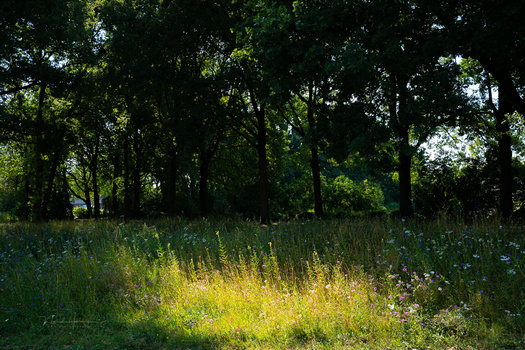
Nikon Z5 II with Nikkor Z 24-105mm f/4 S
33mm – ISO100 – F/8 – 1/100s
Edited to taste in Lightroom Classic -

Nikon Z5 II with Nikkor Z 24-105mm f/4 S
67mm – ISO100 – F/4 – 1/800s
Edited to taste in Lightroom Classic -

Nikon Z5 II with Nikkor Z 24-105mm f/4 S
120mm – ISO100 – F/4 – 1/800s
Edited to taste in Lightroom Classic -

Nikon Z5 II with Nikkor Z 24-105mm f/4 S
120mm – ISO100 – F/4 – 1/800s
Edited to taste in Lightroom Classic -

Nikon Z5 II with Nikkor Z 24-105mm f/4 S
120mm – ISO100 – F/4 – 1/2000s
Unedited -
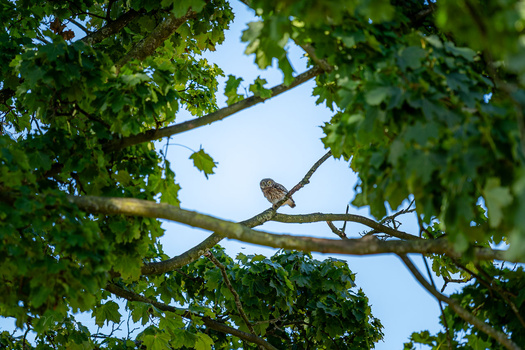
Nikon Z5 II with Nikkor Z 24-105mm f/4 S
120mm – ISO100 – F/4 – 1/320s
Edited to taste in Lightroom Classic -
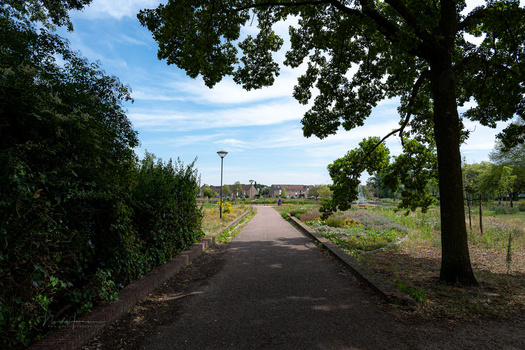
Nikon Z5 II with Nikkor Z 24-105mm f/4 S
24mm – ISO100 – F/8 – 1/200s
Edited to taste in Lightroom Classic -

Nikon Z5 II with Nikkor Z 24-105mm f/4 S
115mm – ISO100 – F/8 – 1/8000s
Edited to taste in Lightroom Classic -
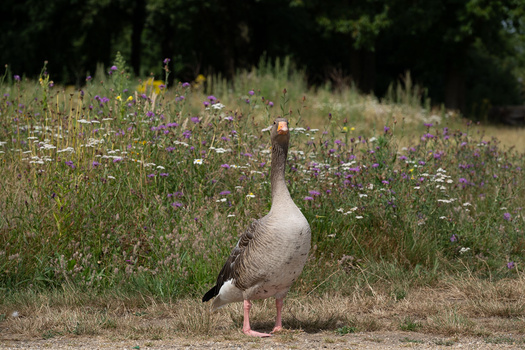
Nikon Z5 II with Nikkor Z 24-105mm f/4 S
115mm – ISO100 – F/8 – 1/400s
Unedited -

Nikon Z5 II with Nikkor Z 24-105mm f/4 S
71mm – ISO100 – F/8 – 1/320s
Unedited -

Nikon Z5 II with Nikkor Z 24-105mm f/4 S
120mm – ISO400 – F/4 – 1/80s
Edited to taste in Lightroom Classic -
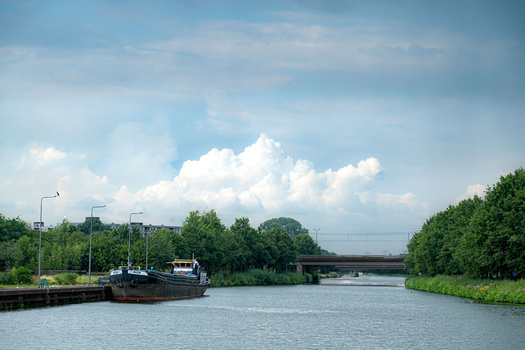
Nikon Z5 II with Nikkor Z 24-105mm f/4 S
120mm – ISO400 – F/8 – 1/640s
Edited to taste in Lightroom Classic -
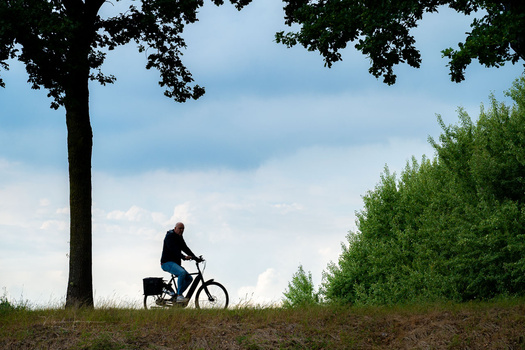
Nikon Z5 II with Nikkor Z 24-105mm f/4 S
102mm – ISO400 – F/8 – 1/500s
Edited to taste in Lightroom Classic -
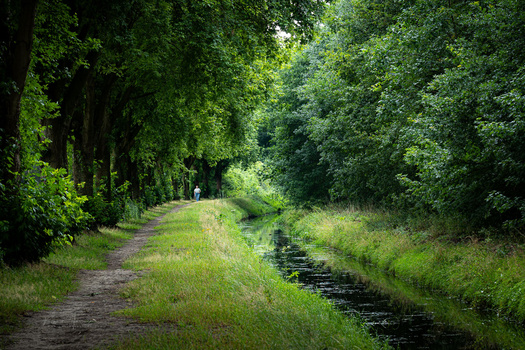
Nikon Z5 II with Nikkor Z 24-105mm f/4 S
120mm – ISO400 – F/8 – 1/30s
Edited to taste in Lightroom Classic